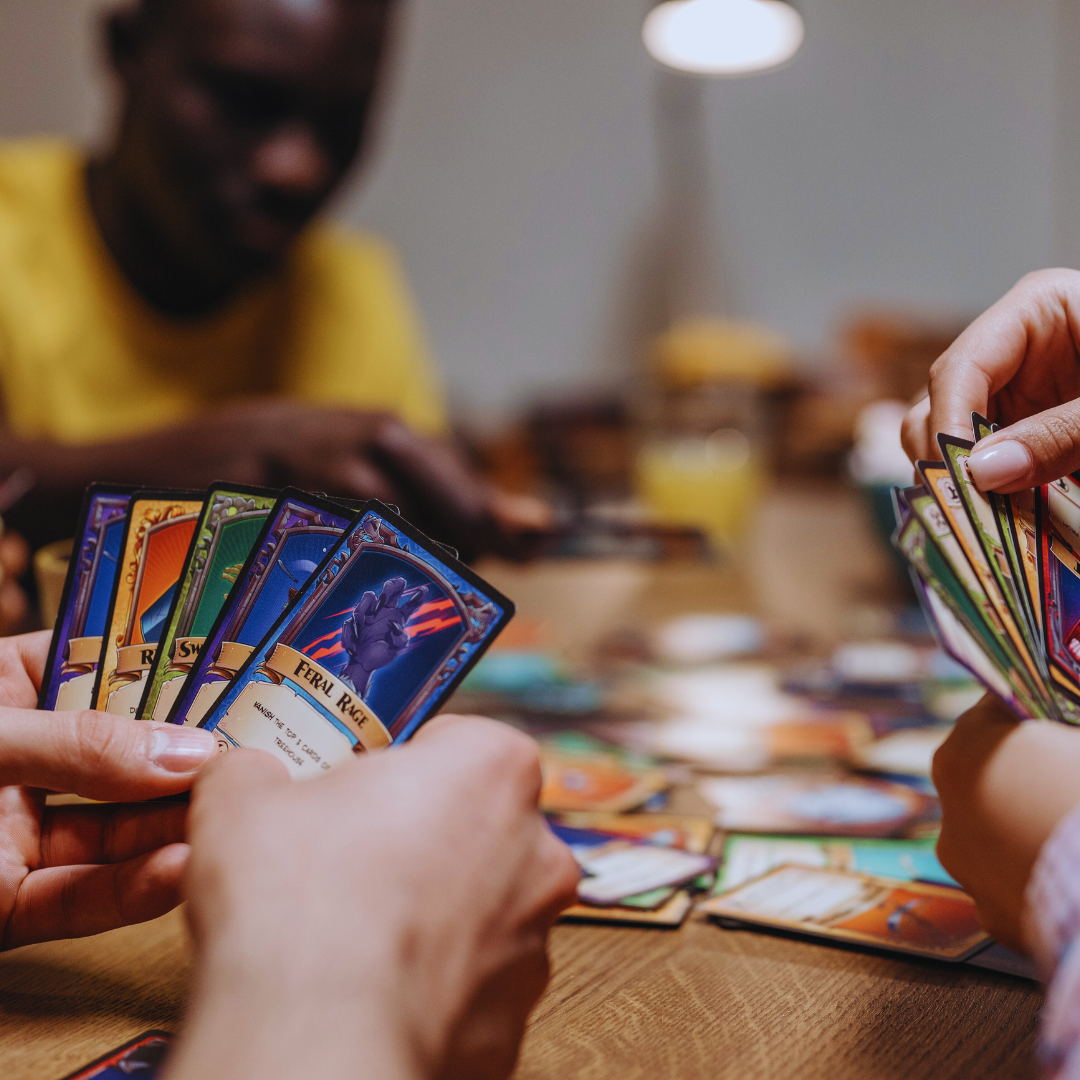

Classic board games have seen a notable resurgence in recent years, drawing players of all ages back to the living room table. This revival is often rooted in a blend of nostalgia and the desire to reconnect with traditional forms of entertainment that promote social interaction and strategic thinking. The popularity of these timeless games speaks to a universal longing for connection and shared experiences in an increasingly digital world.
Players are rediscovering classics like Monopoly, Scrabble, and Cluedo, which not only evoke fond memories but also foster a sense of community. The tactile nature of board games contrasts sharply with the anonymity of online gaming, offering a more personal and engaging way to spend time with family and friends. This shift reflects a cultural movement towards valuing tradition and meaningful interactions in entertainment.
As younger generations embrace the charm of these games, they often uncover the joy of face-to-face competition and cooperation. This phenomenon highlights a growing appreciation for the simple pleasures of life, bridging gaps between the past and present. Ultimately, classic board games serve as a reminder of the fun and connection that can come from gathering around a table.
The Persistent Allure of Traditional Board Games
Traditional board games have a unique appeal that continues to attract players of all ages. They serve as a medium for family bonding and social interaction, while modern editions breathe new life into beloved classics, ensuring their relevance in contemporary culture.
Rekindling Nostalgia and Family Connections
Many individuals cherish the memories of gathering with family around the table, playing classic games like Scrabble, Monopoly, and chess. These games are often associated with shared experiences that strengthen bonds.
The tactile nature of physical board games contrasts with digital alternatives and fosters face-to-face engagement. Players enjoy the camaraderie that arises during gameplay, making these games the perfect catalyst for family gatherings.
Moreover, the resurgence of interest in nostalgia has driven families to rediscover these timeless treasures, encouraging younger generations to appreciate the value of traditional play.
Classic Meets Contemporary: Reviving Timeless Games for New Audiences
Popular games such as Backgammon, Ticket to Ride, and the revised versions of many much-loved classics exploit modern designs while preserving their core mechanics. This blending of old and new ensures that these games remain accessible and appealing to contemporary audiences.
Game designers also introduce updated versions featuring enhanced graphics, streamlined rules, and varied themes. This approach attracts new players while catering to the preferences of experienced gamers.
Through tournament play and gaming cafés, traditional board games continue to thrive in today’s social scene. The combination of time-honoured gameplay and innovative presentation offers endless possibilities for both newcomers and legacy players alike.
The Dynamics of Social Interactions through Board Games
Classic board games are more than just a source of entertainment; they act as a catalyst for social interactions and meaningful connections. Engaging in these games fosters communication, teamwork, and a sense of camaraderie among players, often leading to lasting relationships.
Facilitating Communication and Teamwork
Board games require players to articulate their thoughts and strategies. This communication fosters not only dialogue but also encourages participants to listen actively. Players often find themselves explaining their moves, negotiating trades, or strategising together, which enhances their social skills.
Team-based games necessitate collaboration, where players must recognise each member’s strengths. This dynamic teaches participants how to work together, share responsibilities, and develop a collective strategy. Family game nights often exemplify this, as they create an atmosphere where teamwork is cultivated while also providing a platform for learning.
Bonding over Game Night: A Tale of Friendly Competition
Game nights can create a unique environment for bonding through friendly competition. When players face off against each other, it often leads to laughter, playful banter, and sometimes even light-hearted rivalry. This competitive spirit, although friendly, can strengthen relationships by pushing players to engage more deeply.
Through these interactions, players learn about each other’s personalities. Excitement and frustration emerge during gameplay, revealing traits that may not surface in everyday conversation. This shared experience deepens connections, making evenings spent around the game table memorable and enriching for everyone involved.
Cognitive and Educational Advantages of Board Gaming
Engagement with classic board games enhances cognitive development and provides significant educational value. These games foster critical thinking and problem-solving skills while offering lifelong benefits to players.
Strategic Gameplay and Critical Thinking
Board games require players to engage in strategic thinking. They must analyse situations, anticipate opponents’ moves, and adapt their strategies. This fosters critical thinking and sharpens cognitive skills, which are crucial in everyday decision-making.
Players develop problem-solving skills as they confront various challenges presented in games. For example, negotiating deals in games like Catan or devising tactics in Chess requires foresight and flexibility. Through repeated gameplay, individuals enhance their deductive reasoning, learning to identify patterns and formulate responses based on previous outcomes.
Beyond Entertainment: Lifelong Cognitive Benefits
The educational value of board games extends beyond simple leisure. Engaging with these games regularly can improve memory, attention span, and information retention. Players often find themselves making connections between game scenarios and real-world situations, enriching their cognitive benefits.
Board games can stimulate innovation as players explore new strategies and creative solutions. This encourages a mindset conducive to learning and adaptability. Furthermore, they can serve as a valuable tool in educational settings, where teachers can use them to reinforce lessons and promote engagement among students.
Adapting to the Digital Shift and Beyond
The interplay between digital innovations and classic board games highlights the evolving landscape of gaming. As traditional gameplay meets modern technology, both forms offer unique advantages that cater to diverse player preferences.
The Synergy Between Digital and Tactile Experiences
Many gamers appreciate the tactile experience that traditional board games provide. The feel of the pieces, the sound of dice rolling, and the physical presence of players foster a sense of connection.
Digital adaptations often incorporate augmented reality features, enhancing the physical game while maintaining its essence. For example, AR apps can animate game pieces or provide additional context to gameplay.
In this realm, cooperation and strategic planning remain central. Players can enjoy the social aspects of board games, while they also benefit from the engaging and immersive environments that digital platforms provide.
Online Platforms and The Rise of Virtual Communities
Online platforms have transformed the way players interact with their favourite board games. Websites and apps support online multiplayer options, making classic games accessible to a global audience.
Players can join virtual communities to share strategies, discuss game mechanics, and participate in tournaments. These communities create a sense of belonging and continuous engagement around beloved games.
Moreover, the integration of digital entertainment enables innovation within traditional board games. Game designers can experiment with mechanics that enhance gameplay, appealing to both seasoned players and newcomers. This evolving landscape supports a vibrant and dynamic gaming culture.