
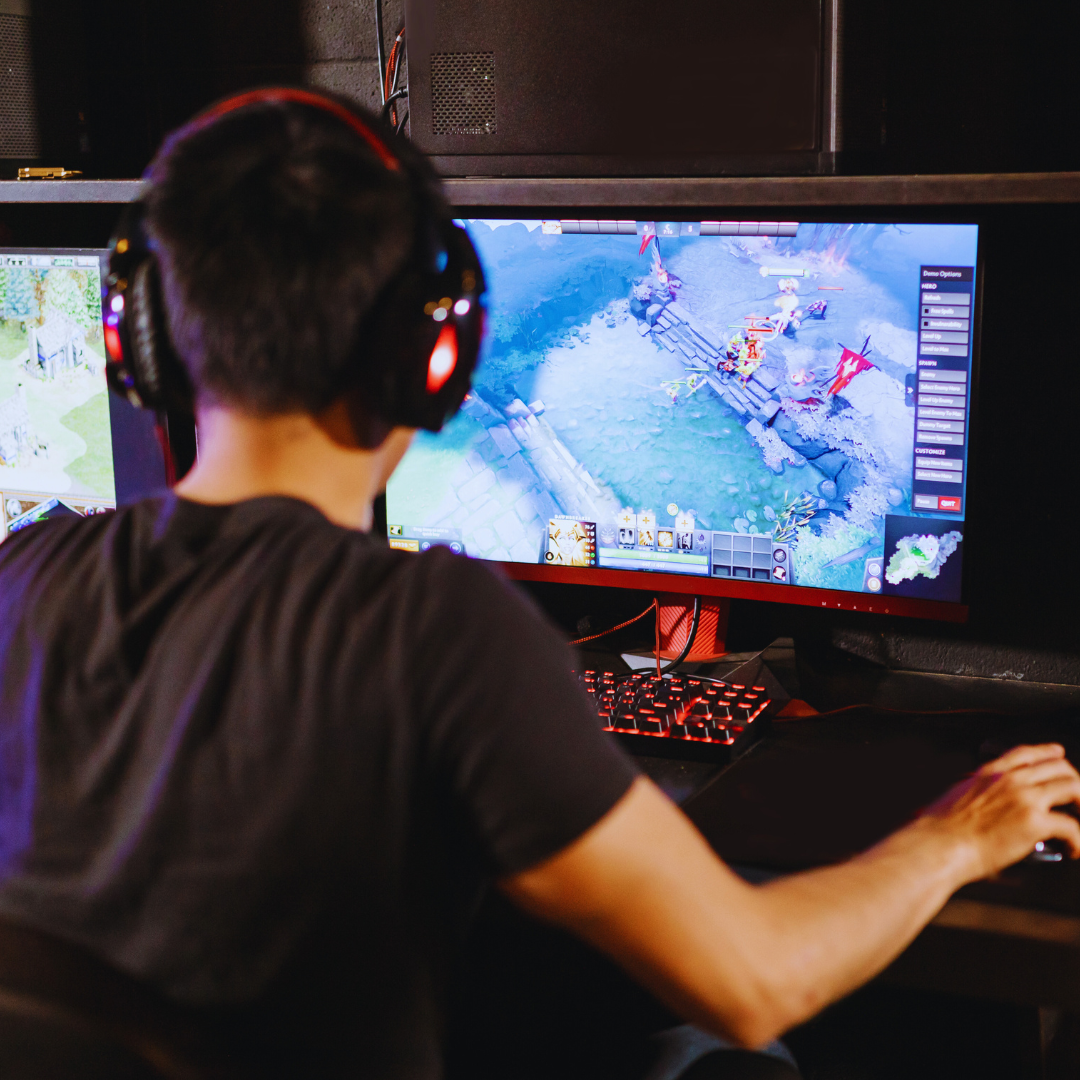
Mobile gaming and PC gaming each offer unique advantages and disadvantages, appealing to different types of gamers. Mobile gaming provides unmatched convenience and accessibility, allowing players to engage with games anywhere they go. On the other hand, PC gaming often delivers superior graphics, a wider variety of games, and more extensive customisation options, catering to those seeking an immersive experience.
The gaming market has seen a significant rise in mobile gaming, driven by advancements in technology and a growing number of mobile users. This shift has made gaming more accessible, attracting casual gamers who prefer quick play sessions. Conversely, the PC gaming community remains robust, with dedicated gamers valuing high-performance hardware and expansive title availability, which can create a more profound gaming experience.
Understanding the differences between mobile and PC gaming is crucial for anyone looking to navigate the gaming industry today. Each platform offers distinct experiences that can greatly influence a player’s choice, establishing their preferred way to enjoy video games.
Understanding the Gaming Landscape
The gaming landscape is diverse, shaped by technological advancements and changing consumer preferences. Both mobile and PC gaming platforms play significant roles, offering varied experiences that cater to different segments of the market.
Market Trends in Gaming
The gaming industry has witnessed substantial growth in recent years, driven by both mobile and PC gaming. According to recent reports, the global gaming market is expected to exceed £200 billion by 2025. Mobile games contribute significantly to this figure, accounting for nearly 50% of total revenue, thanks in part to casual gaming trends.
Competitive gaming, particularly through esports, has also surged. This area attracts millions of viewers and participants, further solidifying its position as a key market driver. The presence of cloud gaming offers new opportunities, allowing players to access high-quality games on lower-end devices, bridging the gap between mobile and PC.
Evolution of Gaming Platforms
Gaming platforms have evolved dramatically over the past two decades. Early home computers gave way to dedicated consoles and mobile devices, each offering unique experiences. Mobile gaming has particularly thrived through the proliferation of smartphones, offering players easy access to a vast library of games, from puzzles to strategy titles.
On the other hand, PC gaming remains popular for its ability to provide high-quality graphics and immersive gameplay, appealing to dedicated gamers. The rise of cross-platform play has blurred the lines between these categories, allowing users to compete regardless of their chosen platform, thus enriching the gaming community.
Diverse Game Genres and Preferences
The variety of game genres available across platforms caters to a wide audience. Popular genres include first-person shooters (FPS), role-playing games (RPGs), strategy games, and indie games, each appealing to different preferences. Mobile platforms often favour casual and puzzle games due to their accessibility, while PCs host more complex games that require nuanced controls and longer play sessions.
This diversity in game selection allows players to choose what best fits their gaming style. Furthermore, as gaming preferences evolve, developers continuously adapt to meet these demands, resulting in innovative games that resonate with an ever-growing audience.
Comparing Mobile and PC Gaming Experiences
Mobile and PC gaming offer unique experiences shaped by their respective platforms. Each has distinct strengths and weaknesses regarding graphics, gameplay, and social interactions.
Graphics and Performance
In terms of graphics and performance, PC gaming holds a clear advantage. High-end PCs can support advanced graphics, large resolutions, and higher frame rates, leading to an immersive visual experience. With powerful GPUs, players can enjoy games with detailed textures and realistic lighting effects.
Mobile devices, such as smartphones and tablets, have evolved substantially, yet they generally cannot match the performance of dedicated gaming PCs. While modern mobile games feature impressive graphics, they are often optimised for efficiency rather than sheer power. This results in lower frame rates and less detailed visuals, which may limit the overall experience for graphics enthusiasts.
Gameplay and Immersion
PC gaming typically provides a more immersive experience through enhanced controls. Players can utilise a variety of gaming peripherals, like high-precision mice and mechanical keyboards, which enhance responsiveness. The larger screen size of monitors also allows for a more engaging gameplay experience, especially in visually intensive games.
On the other hand, mobile gaming focuses on accessibility and convenience. Casual gamers often prefer mobile platforms due to their portability and ease of use. Touch controls, while intuitive, can sometimes restrict the depth of gameplay compared to traditional setups. Many mobile games are designed for shorter play sessions, which influences the intensity of immersion.
Social Gaming and Multiplayer
Social interactions remain a critical aspect of both mobile and PC gaming. PC gaming often includes comprehensive online multiplayer experiences supported by robust communication tools, fostering deep connections between players. Many PC games offer dedicated servers, mod support, and community features that enrich social gaming.
Conversely, mobile gaming excels in casual social gaming. Many mobile games integrate simple multiplayer features, making it easy for friends to join in and compete, often through instant messaging and social media links. While not as deep as PC experiences, the accessibility of mobile games allows a broader audience to engage in online gaming.
Accessibility, Convenience, and Cost
Mobile gaming and PC gaming differ significantly in terms of accessibility, convenience, and cost. The distinctions impact player choices and experiences in various ways.
Convenience and Accessibility Factors
Mobile gaming excels in convenience, allowing players to engage from nearly anywhere, whether on a bus or at home. With smartphones becoming ubiquitous, access to mobile games is almost universal. Players can download games quickly and often without charge, thanks to the prevalence of free-to-play titles.
In contrast, PC gaming typically requires a dedicated setup, which might limit where players can game. The need for a powerful machine can restrict user mobility, as gaming is usually confined to a desk. Additionally, many PC games require more substantial updates, which can mean waiting times that affect convenience.
Gaming on a Budget
Affordability is a crucial factor in the mobile versus PC gaming debate. Many mobile games are free-to-play, offering in-game purchases for additional content. This model appeals to casual gamers who seek value without significant upfront costs.
PC gaming might demand a higher initial investment for hardware and software. Quality gaming laptops and desktops come with significant price tags, making entry more prohibitive. However, PC gamers can often find sales and discounts, allowing them to build a game library on a varying budget.
Ultimately, both platforms offer distinct advantages and challenges when considering accessibility, convenience, and cost.


Leave a Reply
You must be logged in to post a comment.