
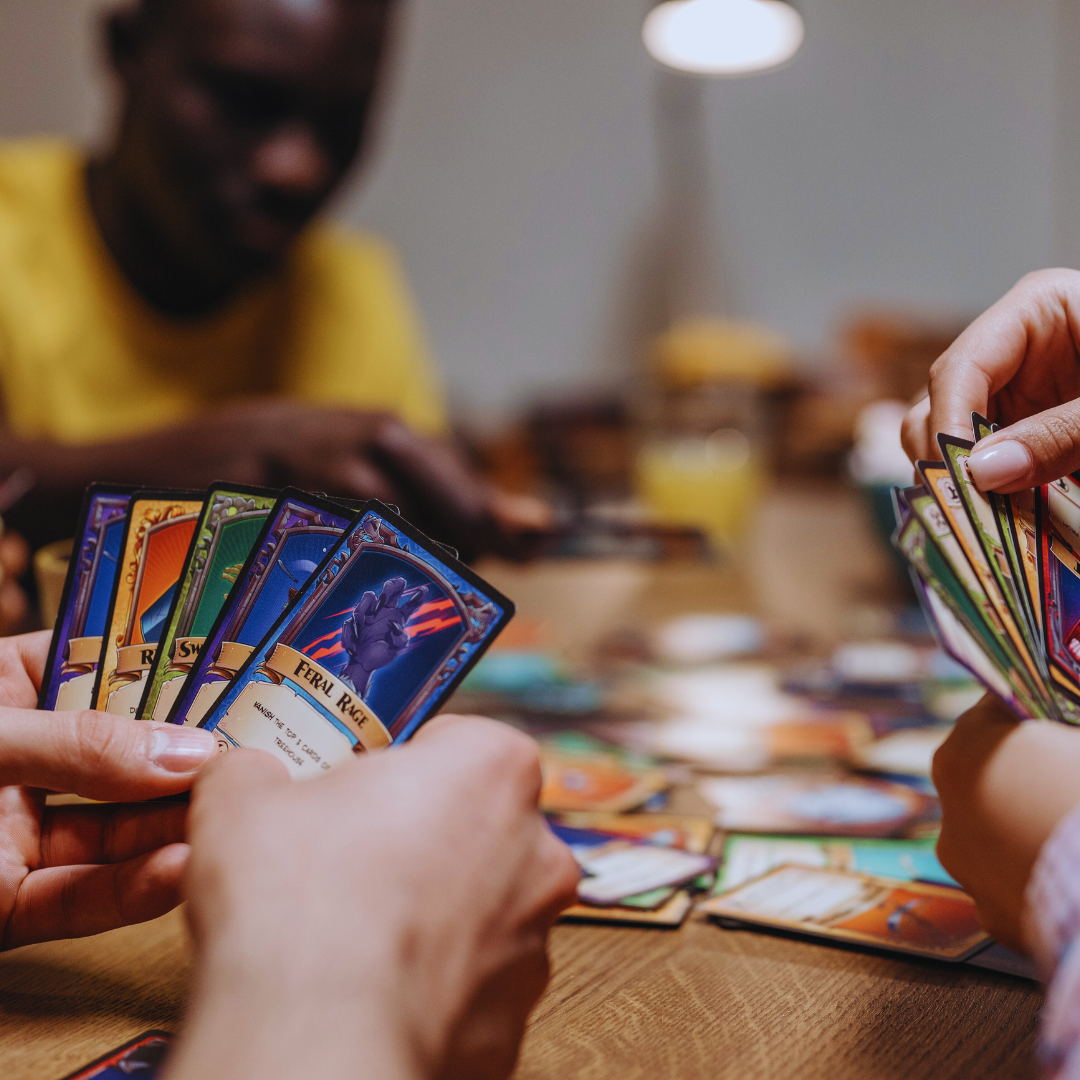
Multiplayer games have gained immense popularity, capturing the attention of players around the globe. The social interactions, competitive spirit, and shared experiences within these games create a unique environment where individuals can connect and thrive. This appeal is rooted in several psychological factors, including the need for social connection, the drive for achievement, and the enjoyment of collective experiences.
Players often engage in multiplayer games to forge bonds with others, satisfying their innate desire for community and belonging. The thrill of teamwork and competition fosters relationships that may transcend the virtual realm. In this shared space, players can cooperate, strategise, and celebrate successes together, reinforcing their social ties.
Furthermore, multiplayer games leverage elements of competition that trigger feelings of accomplishment and progression. Players are frequently motivated by the desire to improve their skills and gain recognition within their gaming communities. This blend of social interaction and competitive engagement makes multiplayer gaming a compelling experience for many.
The Appeal of Multiplayer Gaming
Multiplayer gaming captivates players through its inherent challenges, social connectivity, and immersive experiences. The combination of achievement and engagement fosters a unique environment that draws individuals into these virtual worlds.
Challenge and Achievement
Multiplayer games often present complex challenges that require strategic thinking and skill. Players face competitive environments where they must improve their abilities to succeed.
The sense of achievement becomes tangible when players conquer difficult levels or defeat skilled opponents. This accomplishment can lead to a feeling of mastery over the game, boosting self-esteem.
Game design focuses on creating escalating challenges that keep players engaged, encouraging them to spend more time honing their skills. The pursuit of victory fuels competitive spirit, driving engagement and fostering a desire for continual improvement.
Social Interaction and Sense of Belonging
Social interaction is a significant draw for many multiplayer games. These platforms create opportunities for players to connect with others, forming friendships and communities.
Players can collaborate in teams or engage in friendly rivalry, which enhances their gaming experience. This connectivity fosters a sense of belonging that can be deeply fulfilling.
In many cases, online multiplayer games serve as social hubs, where individuals come together regardless of geographic distance. This aspect of gameplay strengthens relationships while introducing players to diverse cultures and perspectives.
Escapism and Virtual Worlds
Multiplayer games offer an escape from reality, allowing players to immerse themselves in fantastical worlds. This escapism provides a break from the stressors of daily life, presenting a space for relaxation and creativity.
The virtual worlds crafted by developers are rich and engaging, drawing players into elaborate narratives and environments. These immersive experiences can evoke a range of emotions, from excitement to nostalgia.
By participating in these alternate realities, players can temporarily leave behind the demands of the real world. This sense of freedom is a powerful aspect of the multiplayer gaming experience.
Progression and Rewards Systems
Progression and rewards systems are integral to the allure of multiplayer gaming. These structures encourage players to invest time and effort in their gaming journeys.
As players complete challenges or attain certain goals, they are often rewarded with in-game items, levels, or achievements. This constant reinforcement keeps players motivated, introducing them to new content as they progress.
Well-designed reward systems can foster long-term engagement by providing clear objectives. The desire to unlock new features or character customisations continuously drives players back into the game, reinforcing their commitment to the multiplayer experience.
Psychological Benefits of Multiplayer Games
Multiplayer games offer unique psychological advantages that engage players cognitively and emotionally. They foster creativity, improve critical skills, and enhance social connections, ultimately contributing to players’ overall well-being.
Enhancing Cognitive Functions
Engaging in multiplayer gaming can significantly boost cognitive functions. Players often face complex challenges requiring keen problem-solving skills and strategic thinking. This stimulation enhances memory retention and improves attention, as players must remain alert to the actions of others.
Research suggests that multiplayer game environments create dynamic scenarios that develop a player’s adaptability. Each session demands rapid decision-making, which sharpens analytical abilities. Cognitive flexibility improves as players learn to adjust their strategies based on real-time feedback from teammates and opponents.
Emotional Engagement and Well-Being
Multiplayer games provide a platform for emotional engagement, fostering a sense of belonging and community. Players form connections through shared achievements, cultivating friendships and social networks. This interaction contributes positively to their mental health.
The collaborative nature of these games generates feelings of motivation and fulfilment. Players experience excitement and social support during gaming sessions, which can alleviate feelings of loneliness. Such emotional benefits lead to improved well-being, as individuals feel more connected and supported by their gaming peers.
Skill Development and Educational Value
Multiplayer games are not just entertainment; they also present valuable opportunities for skill development. Players learn essential skills such as teamwork, communication, and leadership within a competitive environment. These experiences translate well to real-world settings.
Additionally, many games incorporate elements that promote critical thinking and strategic planning. As players navigate complex scenarios, they develop practical problem-solving skills. These transferable abilities enhance their educational experiences, allowing them to approach challenges with newfound confidence and competence.
Gaming Culture and Community Impact
Multiplayer games generate a rich culture that fosters community through competitive play, teamwork, and shared narratives. These facets create environments where players connect, learn, and grow together.
Esports and Competitive Play
Esports have emerged as a major component of gaming culture, attracting millions of viewers and participants. Competitive gaming offers clear goals, fostering a sense of achievement and recognition among players. Titles like League of Legends and Counter-Strike have professional leagues, showcasing top talent.
These competitions promote teamwork, strategy, and personal skill development. Players train rigorously to compete at high levels. The allure of lucrative prizes and fame motivates both casual and serious gamers to engage in esports. The community aspect further solidifies loyalty and camaraderie among participants and fans alike.
Shared Experiences and Teamwork
Multiplayer games cultivate shared experiences that deepen connections among players. Participating in quests or challenges within games like World of Warcraft encourages collaboration and communication. Players must often develop strategies, leveraging each other’s strengths to achieve common goals.
This form of teamwork fosters a sense of belonging. Players frequently form friendships that extend beyond the game. Memorable moments—be it overcoming a difficult boss or completing a challenging raid—become shared stories that enhance bonds. The social aspect of gaming creates an inclusive environment, where players feel valued and connected.
Role-Playing and Identity Exploration
Role-playing games enable players to explore different identities and narratives. Through character creation, individuals step into the shoes of diverse personas, experiencing varied lives and storylines. This aspect of gaming promotes empathy and self-reflection.
Games often provide rich lore and immersive worlds, allowing players to craft unique stories. Engaging with these narratives encourages participants to challenge their own perspectives. Role-playing environments create safe spaces for expression, enhancing the overall gaming experience. Players find enjoyment in exploring new identities, contributing to personal growth and community engagement.
Design Elements that Foster Engagement
In multiplayer games, specific design elements significantly enhance player engagement. These aspects create a rich environment where creativity, personalisation, and a sense of control contribute to the overall experience.
Creativity and Personalisation
Players often enjoy the freedom to express themselves within a game. The ability to customise avatars, choose unique outfits, and modify gameplay enhances individual creativity.
Personalisation can manifest in numerous ways, such as:
- Avatar Customisation: Players can alter physical attributes, clothing, and accessories.
- Home Environments: Some games offer spaces for players to create and furnish their virtual homes.
This level of customisation fosters a sense of ownership, allowing players to feel more connected to their characters and, consequently, the game itself.
Agency and Mastery
Agency refers to a player’s sense of control within the game environment. When players feel that their choices affect the game’s outcome, they become more invested.
Games often incorporate elements that promote mastery, such as:
- Skill Progression: Players advance through challenges that test and build their abilities.
- Achievements: Recognising accomplishments boosts players’ self-esteem and reinforces their commitment.
This combination of agency and mastery provides players with a satisfying loop of engagement where their efforts yield tangible results.
Game Mechanics that Drive Player Involvement
The design of specific game mechanics plays a crucial role in fostering involvement. Mechanics like teamwork, competition, and rewards draw players into immersive experiences.
Key mechanics include:
- Team Dynamics: Multiplayer games encourage collaboration, enhancing social bonds and engagement.
- Progression Systems: Levels and rewards give players goals to strive for, maintaining interest over time.
These mechanics not only keep players engaged but also create a compelling need to return, as players often seek to improve their skills and deepen their social connections.